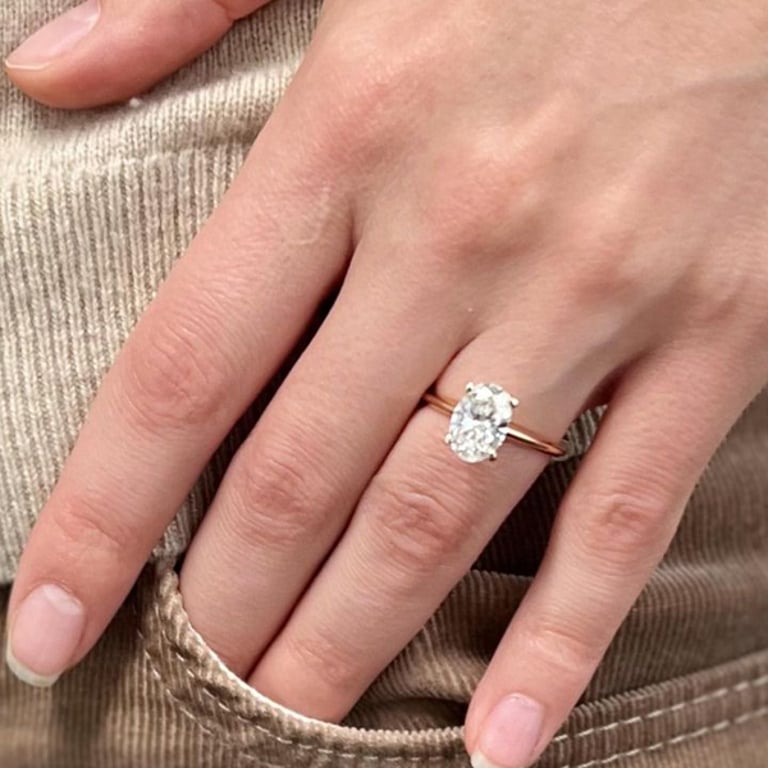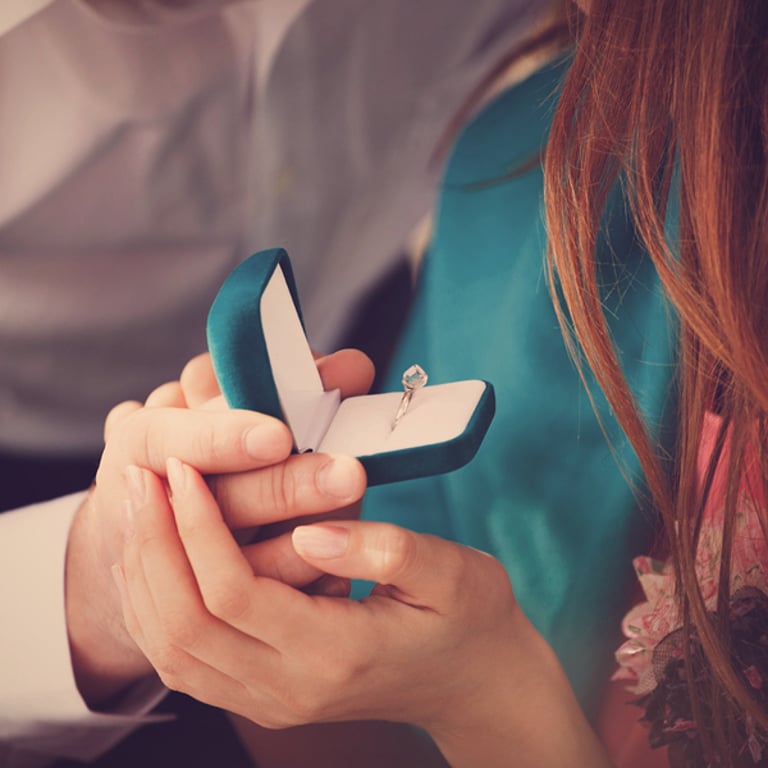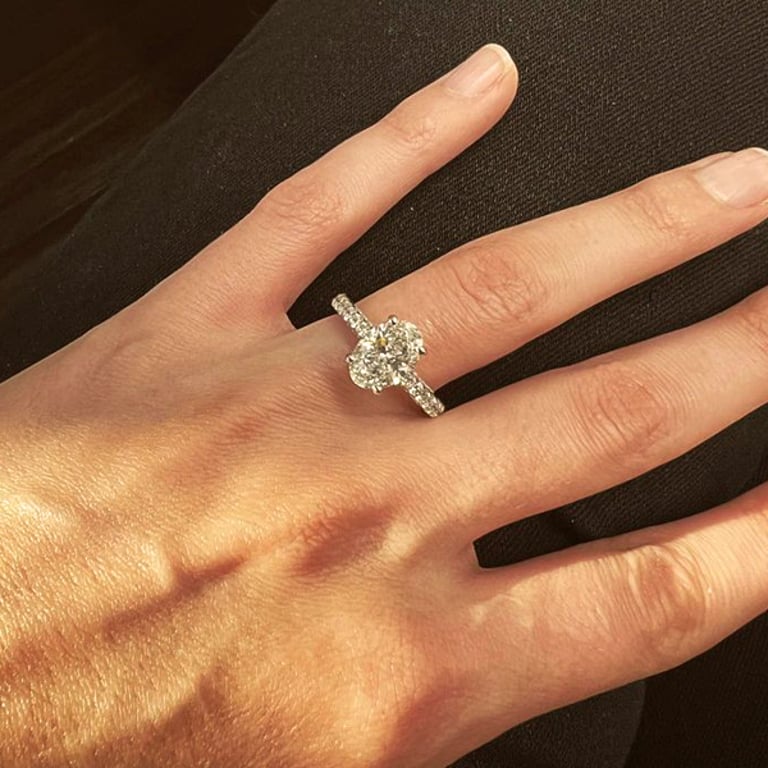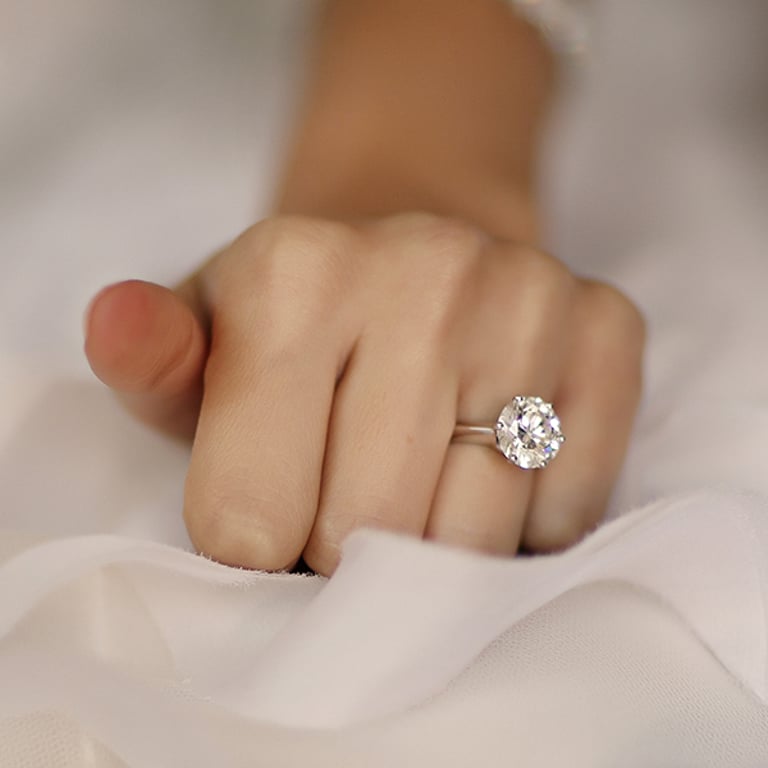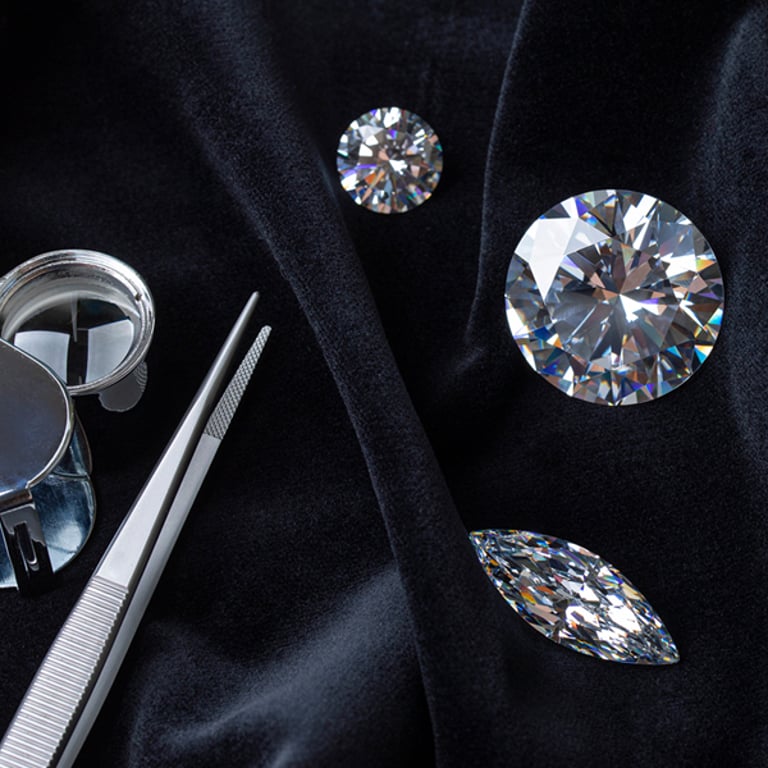
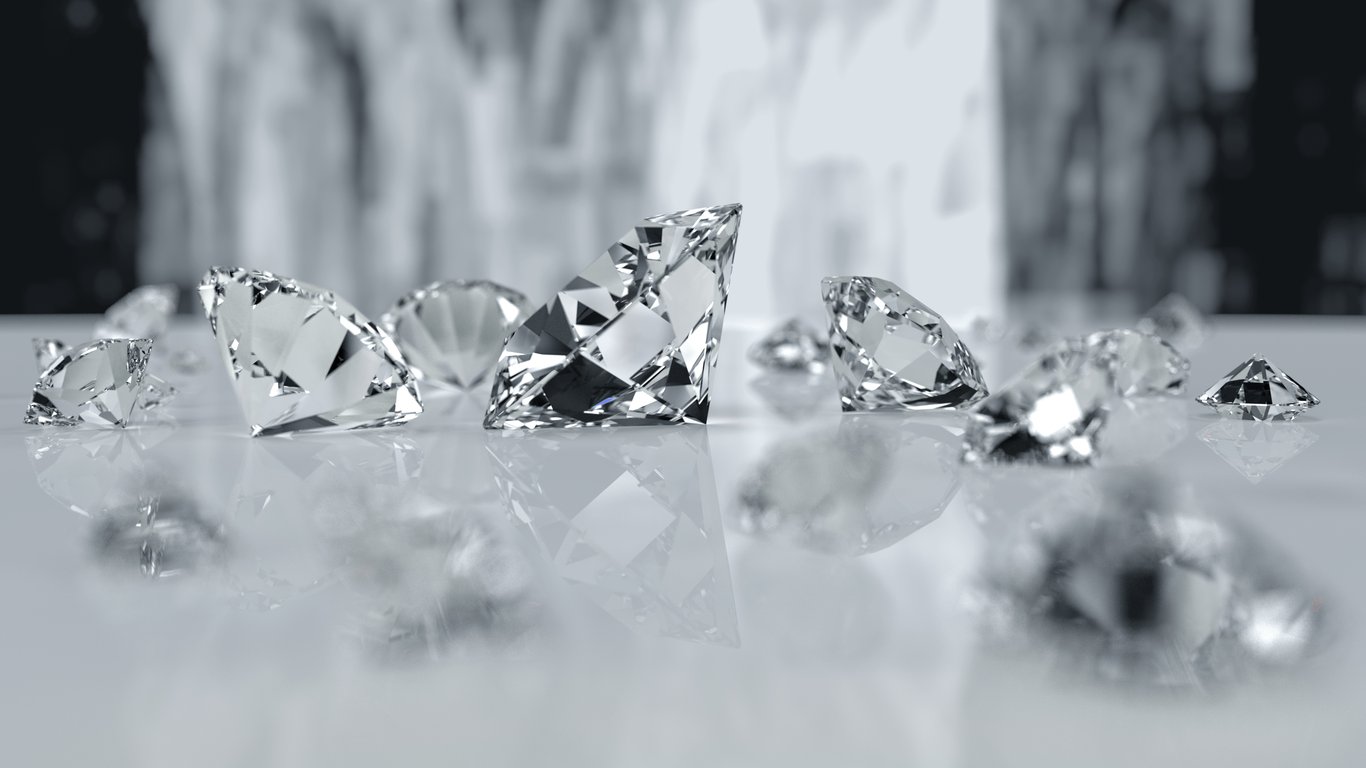

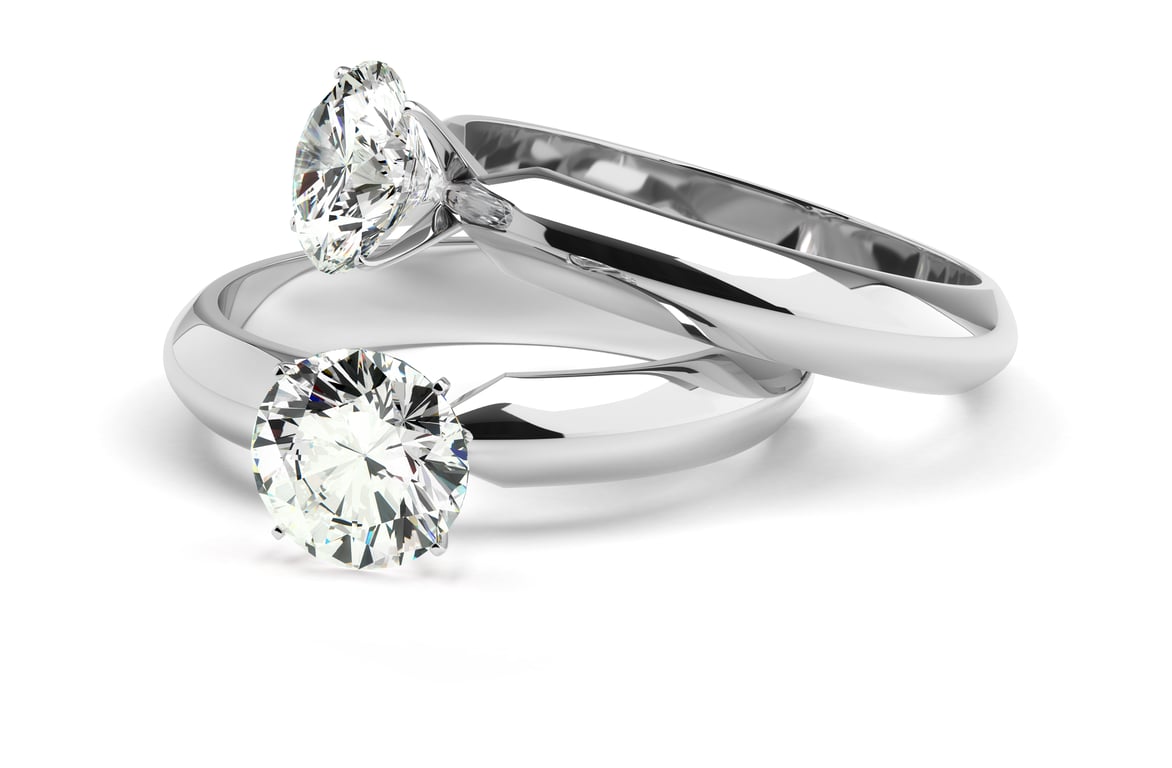
The so-called lab grown diamonds are the genuine diamonds manufactured under laboratory conditions, while the natural ones originate far beneath the earth surface. However, their chemical structure, as well as their physical and optical properties, are practically the same. Lab-grown diamonds are composed of crystalline carbon just like diamonds and can also be graded, cut, polished, and certified according to the same standard.
Two main ways of making lab-grown diamonds are currently employed: the Chemical Vapor Deposition (CVD) and the High Pressure High Temperature (HPHT). While both ways involve recreating conditions that stimulate growing of diamond crystals, the technologies themselves are different: CVD grows diamond from carbon-rich gas under controlled conditions, whereas HPHT reproduces the extremely high pressure and temperature under which diamonds grow.
There are quite a number of important facts about lab-grown diamonds that it might be useful to know before choosing one for an engagement ring or some other jewelry. The list below includes 10 facts about lab-grown diamonds that you might not have known. They cover a wide range of aspects starting with the process of their manufacturing and comparison with the diamonds to their characteristics, grading, and value.
When Did Lab-Grown Diamonds First Appear?
The first man-made diamonds were created in the 1950s. In 1953, some researchers from Sweden managed to successfully synthesize the diamond via HPHT method, however, the information about their experiments was kept a secret. In 1954, Tracy Hall and his colleagues working at General Electric developed a reproducible HPHT method and reported their success in 1955. The diamonds were produced for industrial use rather than for jewelry purposes. CVD method also started to be researched in this decade with the production of the first CVD diamonds in 1952, yet these diamonds were rather tiny and not suitable for jewelry.
It took a few more decades to develop laboratory technologies to create diamonds appropriate for engagement rings and other jewelry pieces. GE managed to create the first gem-quality lab-grown diamonds in 1971, and larger and better-quality crystals could be synthesized starting from the 1990s. Nowadays, there are two ways to synthesize gem-quality lab-grown diamonds – HPHT and CVD methods.
Lab-grown diamonds are real diamonds
Lab-grown diamonds are chemically and physically very similar to diamonds since both consist of crystallized carbon with a cubic crystal structure. The two gems have properties so similar that they can only be distinguished through specialized gemological techniques and not through visual inspection.
Lab-grown diamonds are quite different from diamond simulants such as cubic zirconia (CZ) and moissanite because they do not share either the chemical composition or the crystal structure of diamonds. Additionally, they differ in their physical and optical properties, hence making it easier for gemologists to tell them apart from diamonds.
All these factors make lab-grown diamonds a legitimate alternative to diamonds in the diamond jewelry industry. In addition to diamonds, consumers now have the freedom to choose between other types of gems based on preferences.
Lab-Grown Diamonds Can Be Created Much Faster Than Diamonds
It takes several weeks for the laboratory to produce a 1-carat diamond, yet the exact number of weeks depends on the growing process and on the size and quality of the diamond. In this respect, the period of time for growing the diamond through HPHT technology varies between several days and several weeks, and CVD diamonds take 4 to 6 weeks.
Simply put, the distinction is significant: whereas a laboratory needs several weeks to make a 1-carat diamond, the diamond is a geological phenomenon that forms over thousands or millions of years.
Lab-grown diamonds using the same 4Cs
A laboratory-grown diamond is neither a mere decorative imitation nor a diamond that lacks a characteristic description. As with a diamond, the former can be independently assessed by a gemological laboratory issuing a certificate with a detailed specification of its characteristics and quality. For instance, in GIA laboratory-grown diamonds certificates, one may find information about the color, clarity, carat weight, cut (when applicable), growth method, and post-growth treatment of the diamond.
Furthermore, laboratory grown diamonds may have their own unique number inscribed by a laser onto the girdle of the diamond along with the mention of the fact that the diamond was laboratory grown. In this way, one can match the diamond to its certificate and determine what has been bought. The fact of permanent identification of GIA laboratory grown diamonds has been stated by GIA itself.
Thus, laboratory grown diamond is not a "fake diamond" nor a product lacking any characteristic description. This is a real diamond, created with the help of technology and possessing measurable characteristics and, in case of certification, even documentation describing the diamond.
Are Lab-Grown Diamonds Cheaper?
Yes, it is. The lab-grown diamonds are much cheaper than similar diamonds. By 2026, the gap between them is more evident than ever before. As per current market statistics, a 1 carat diamond will cost about $2,700-$5,350 based on its quality, whereas a similar 1 carat lab-grown diamond may cost anywhere between $350-$2,150. Therefore, lab grown diamonds can be up to 60-90% cheaper than diamonds.
In comparison with moissanite, there is a different story. Moissanite is actually much cheaper than a lab-grown diamond. Based on current 2026 market statistics, a 1 carat moissanite will cost somewhere between $300-$800, whereas a 1 carat lab grown diamond will cost between $600-$1,500.
The Origin of Lab-Grown Diamonds Is One of Their Key Advantages
Another reason why lab-created diamonds look so promising is the possibility of tracing the origin of such stones right from the moment of manufacturing. While for mined diamonds it takes much effort to extract diamonds from the ground, and there may be issues with working conditions, conflict-free origins, and traceability of the process itself, lab-created diamonds are created under controlled conditions in special facilities.
Ethics become increasingly important for the consumers of jewelry. In one consumer survey, 17% of people indicated ethics as an important factor in favor of lab-created diamonds, while 16% mentioned environmental considerations. At the same time, 74% of those surveyed said that they would not mind having lab-created diamonds in their engagement ring.
Lab-Grown Diamonds Can Be Created in Different Colors
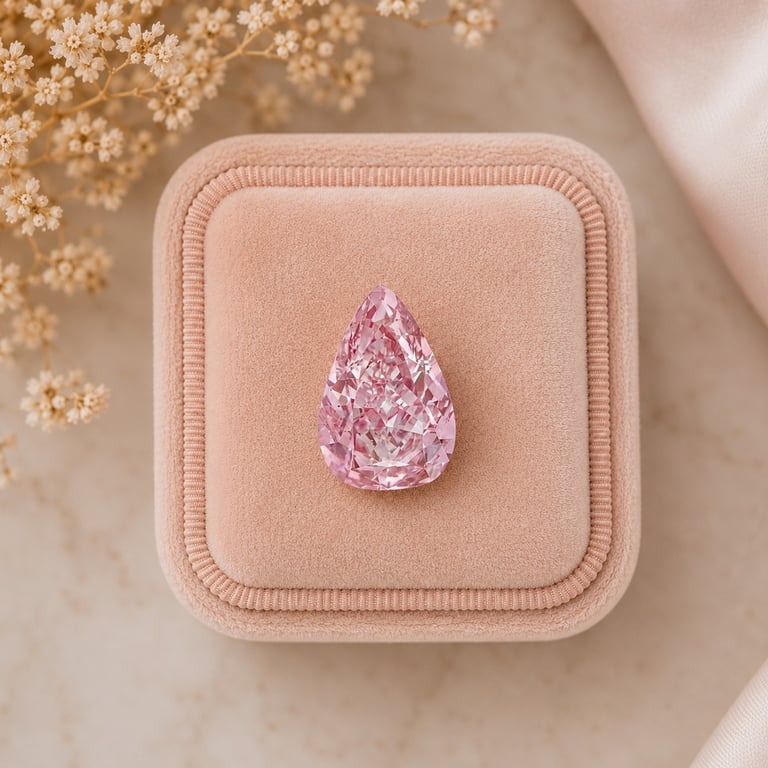
Lab-created diamonds do not only come in the usual white and near-white variety but also in different colored versions, such as yellow, pink, blue, and green. So, people have more choices when choosing an appealing engagement ring without having to pay more money for fancy diamonds, which are quite uncommon and expensive.
There is a huge difference in the prices of these two diamonds. A one carat laboratory-created fancy-colored diamond will cost you $500-$2,000, depending on its color and quality, while a man-made diamond will cost you thousands or even tens of thousands of dollars. Different rare natural fancy colors, for instance, pink and blue, may turn out to be very expensive.
Lab-Grown Diamonds Can Be Recut or Resized Just Like Natural Diamonds
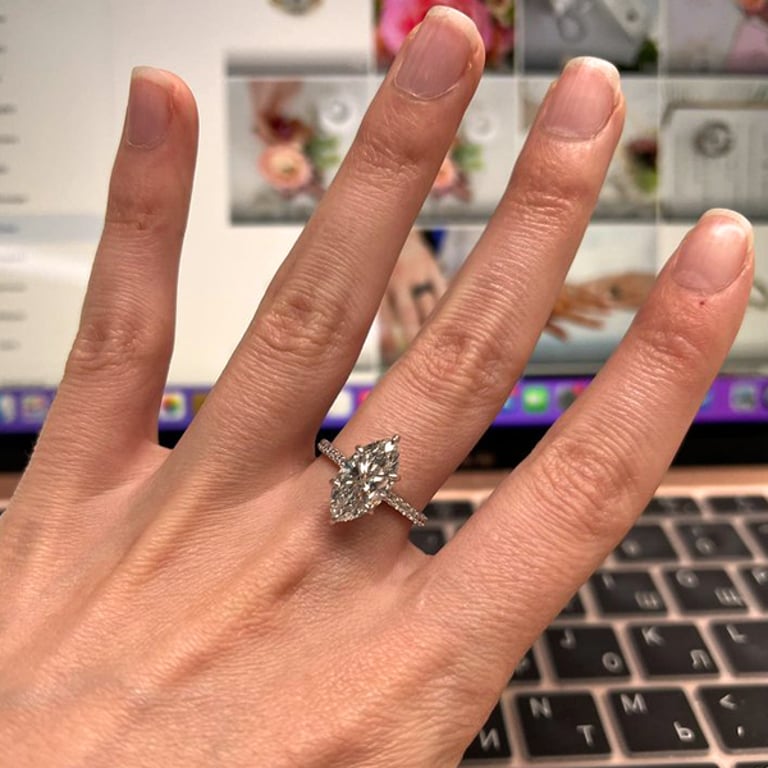
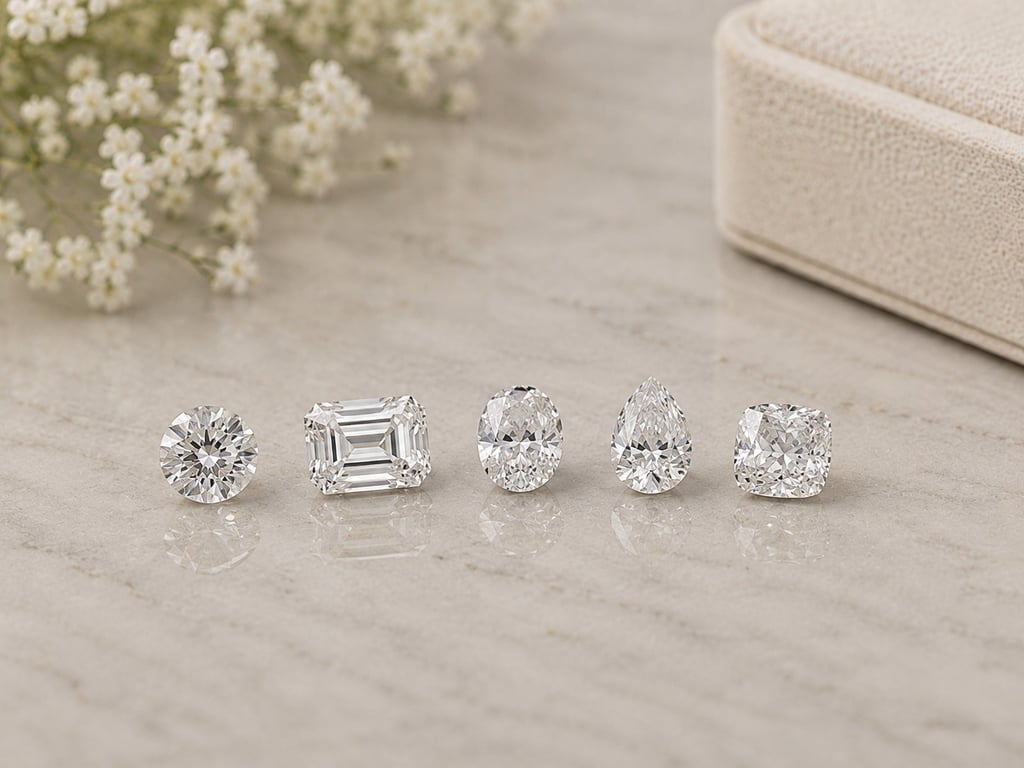
The lab-grown diamond is not restricted to being used in the same form that it was produced. It is the same as the diamond because one can get the diamond cut, polished, and fashioned to a certain look or even fit into the jewelry setting that one may want. This implies that one can have the lab-grown diamond cut and fashioned into shapes like Round, Oval, Cushion, Emerald, Pear, or Marquise.
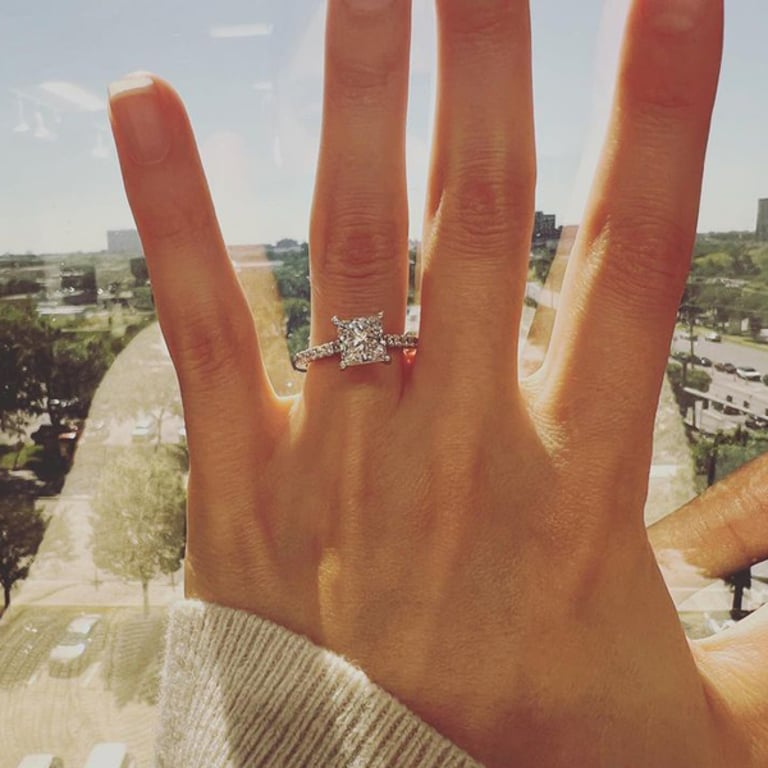
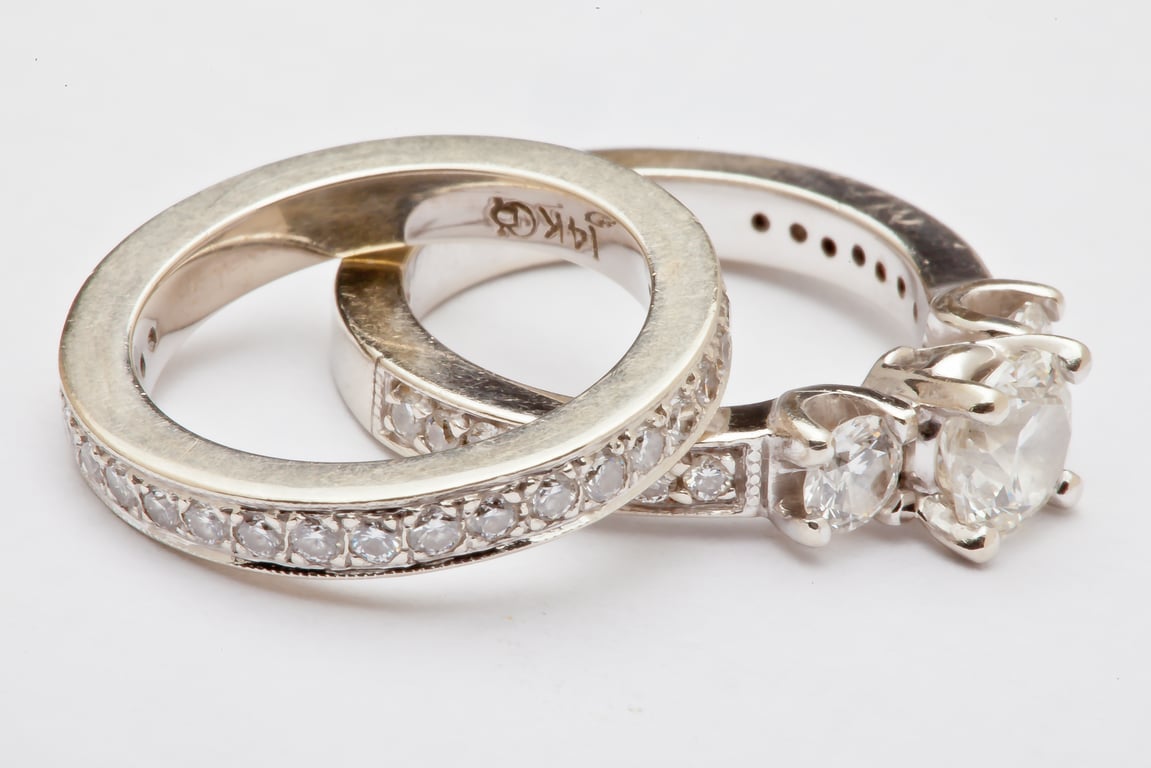
In case one wants to use the lab-grown diamond on an engagement ring, one can do that by having the diamond cut or polished to fit the ring in the same way one would do it for the diamond.
Lab-Grown Diamonds Can Be Larger for the Same Budget
Let us say that your budget for the central stone of the Round cut engagement ring is $1,000. According to the current market figures, a lab grown Round cut diamond with 1 carat can cost you somewhere between $600-$750, while $1,000 could easily buy you a diamond with 0.5 carats in the current market environment.
This simply implies that, in practice, $1,000 stone budget could very well buy you a lab diamond which would weigh roughly double the amount of the diamond. The actual carat weight of the diamond may also vary depending upon the other features of the diamond, such as its color, clarity, cut, etc.
Only a Jeweler Can Distinguish a Diamond From a Lab Diamond
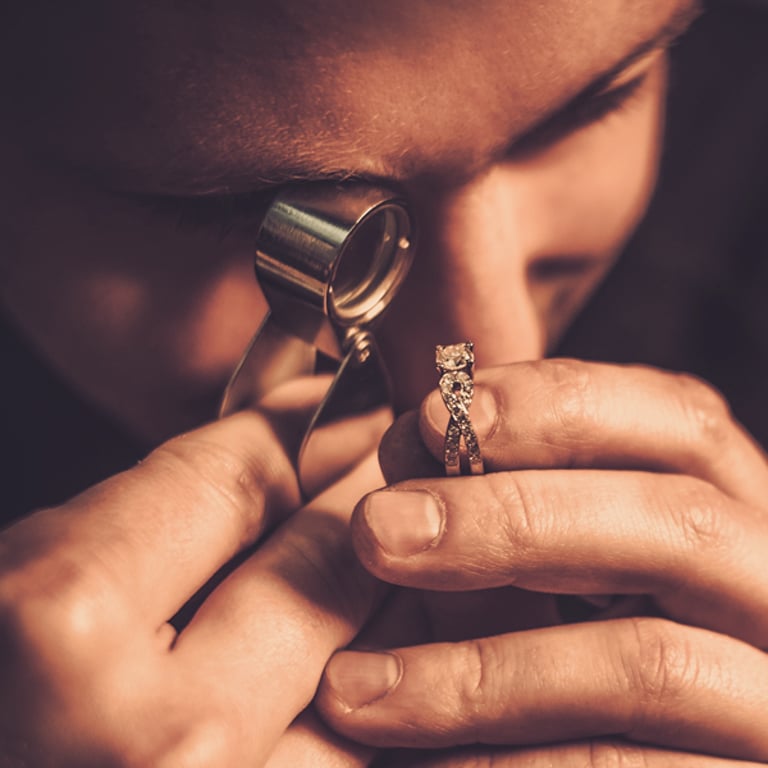
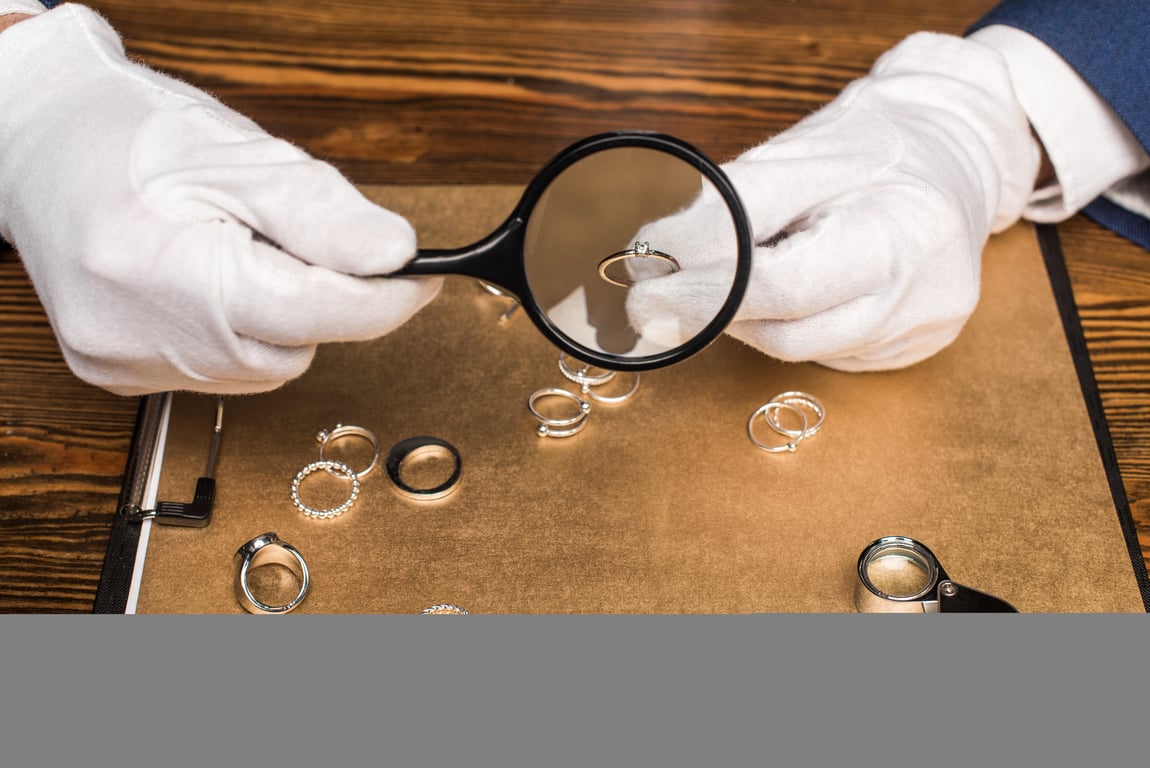
From the naked eye view, it is practically impossible to differentiate between a diamond and a lab-grown one. Both consist of carbon and possess the exact same crystal structure and could have very similar optical properties. Even a professional jeweler cannot identify where a diamond was mined simply by looking at the diamond.
This distinction can only be found through the use of specific gemological devices. From a consumer perspective, it can be done through reviewing the independent diamond grading report. A verified lab grown diamond would also have a laser inscription on the girdle of the diamond.