
Most likely, you already know about lab-grown and natural diamonds. But did you ever think about the difference between the lab-grown diamonds and synthetic diamonds? These two terms are often used interchangeably which creates an impression that there are some distinctions between these kinds of diamonds and causes confusion among customers. In fact, lab-grown and synthetic diamonds are just two names for the one and the same stone – a man-made gemstone.
The only thing that makes synthetic diamonds and lab-grown diamonds different is the way people use these terms in the jewelry business. Actually, both synthetic diamonds and lab-grown diamonds have the same basic chemical structure and the same characteristics as the diamonds grown in nature. All these stones are composed of carbon and possess all the typical physical and optical properties of mined diamonds. The only difference is the place where these diamonds were formed – in a laboratory or in nature.
In this article, we will tell you what synthetic diamonds are and why they are also called lab-grown diamonds.
What Does Synthetic Diamond Mean?
Synthetic diamonds and lab-grown diamonds are synonymous terms. This implies that both these terms denote real diamonds that have been artificially synthesized in a laboratory environment. To put it differently, lab-grown and synthetic diamonds do not differ in their chemical structure, crystal structure, and any other physical characteristics as the only thing that differs these two types of diamonds is the name.
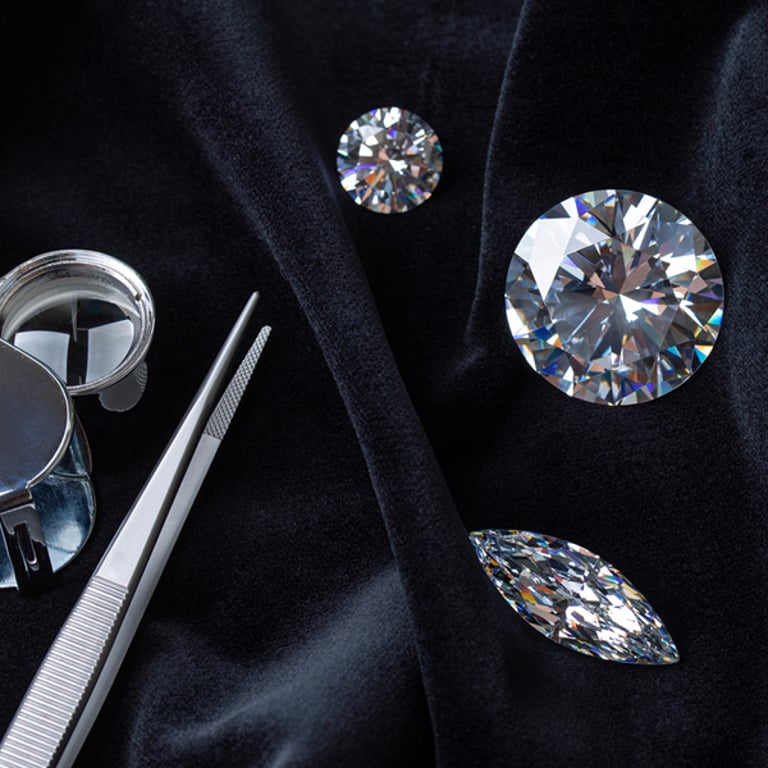
In the first place, it is very significant to distinguish lab-grown or synthetic diamonds from artificial diamonds like cubic zirconia. Even though these gemstones look like diamonds, their chemical composition is different, whereas synthetic diamonds contain diamond material and have the same shine, brilliance, and durability as diamonds.
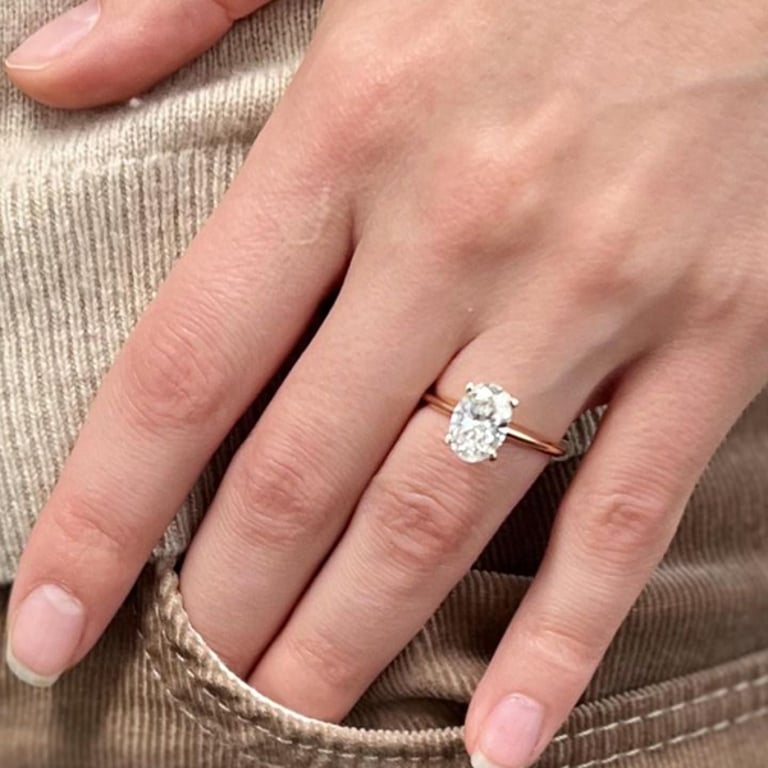
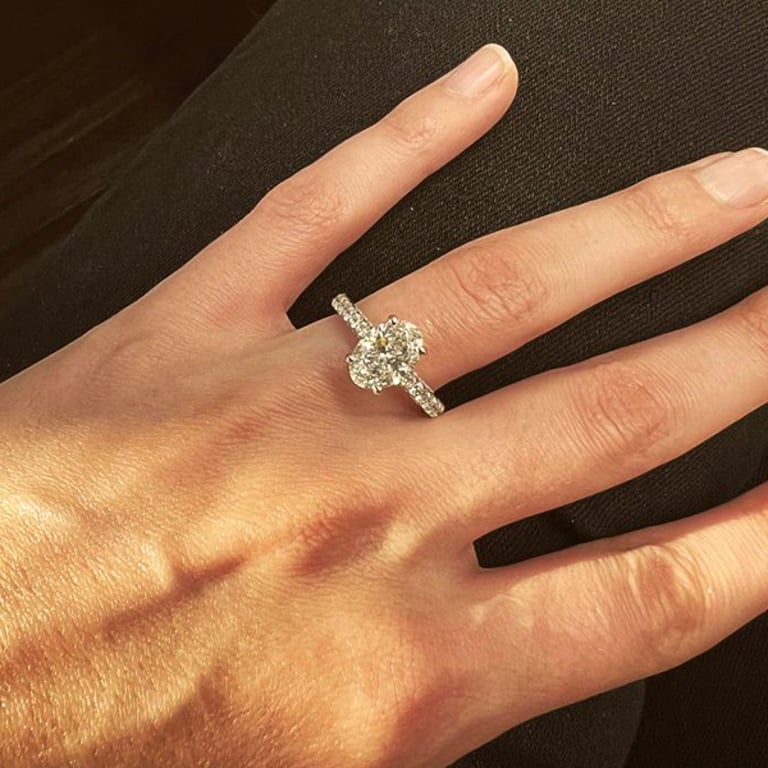
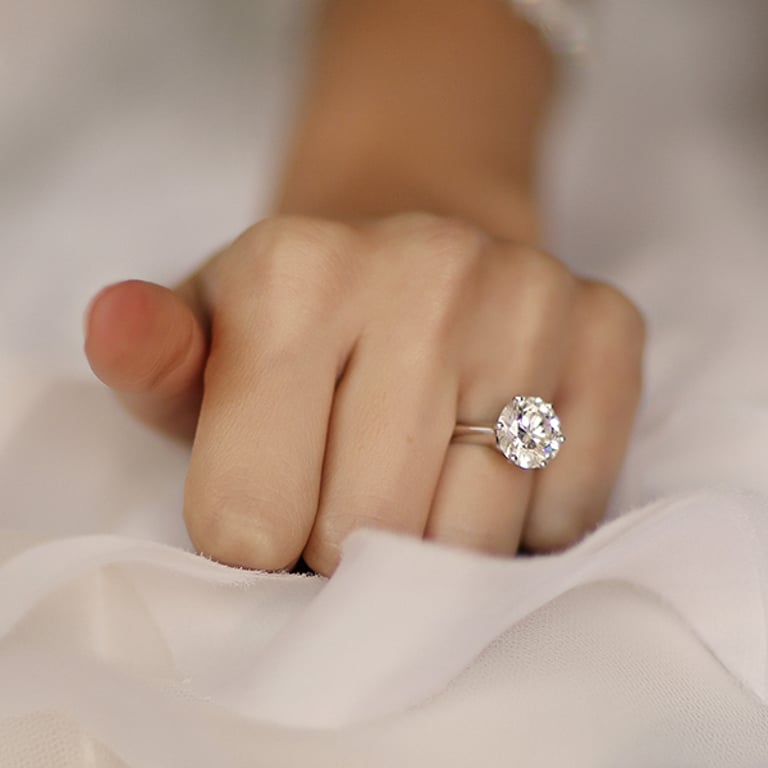
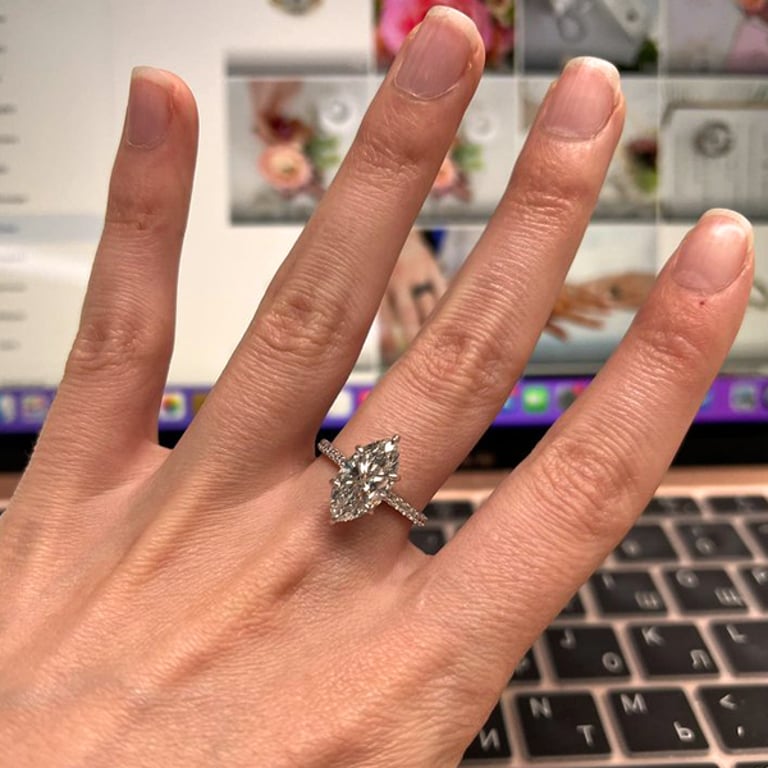
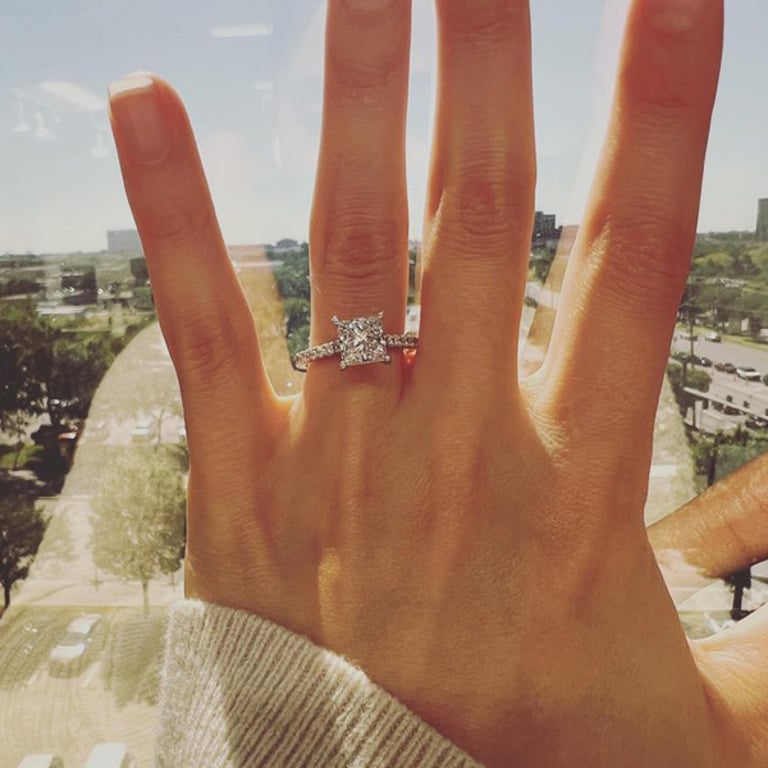
Lab-grown diamond is often called when addressing customers in the jewelry trade as this term clearly indicates where the diamond was grown. Synthetic diamonds are used to create engagement rings and other jewelry.
How Are Synthetic Diamonds Made?
Two approaches are mainly used in producing synthetic diamonds, namely HPHT and CVD. The HPHT approach involves using very high pressure and temperature to facilitate crystallization of carbon on a diamond seed under conditions that replicate those prevailing deep inside the Earth. CVD involves use of carbon-filled gas inside a specially designed chamber, where carbon atoms gradually deposit themselves on a diamond seed, facilitating growth of the crystal by layers.
After the synthetic diamond has been developed, the diamond is then polished and cut into a gemstone which is used in jewelry. The diamond can now be evaluated in terms of carat weight, cut, color, and clarity. What emerges at the end of the process is a genuine diamond, not a fake, whose chemical composition and crystal structure is virtually the same as that of the natural diamond.
Synthetic Diamonds vs. Natural Diamonds: What Is the Difference?
Natural and synthetic diamonds are identical in terms of their chemical composition, atomic structure, and physical and optical properties. The main difference between synthetic and natural diamonds is that the former are manufactured in a lab while the latter are found in nature.
Also, the manufacturing process plays a role in how both diamonds are supplied to the jewelry business market: natural diamonds have to be found, extracted from the earth, and processed. Laboratory diamonds can be manufactured in a controlled environment. It results in lower prices of lab diamonds when consumers are after certain carat size and look. Nevertheless, the value of the individual diamond still depends on its cut, color, clarity, etc.
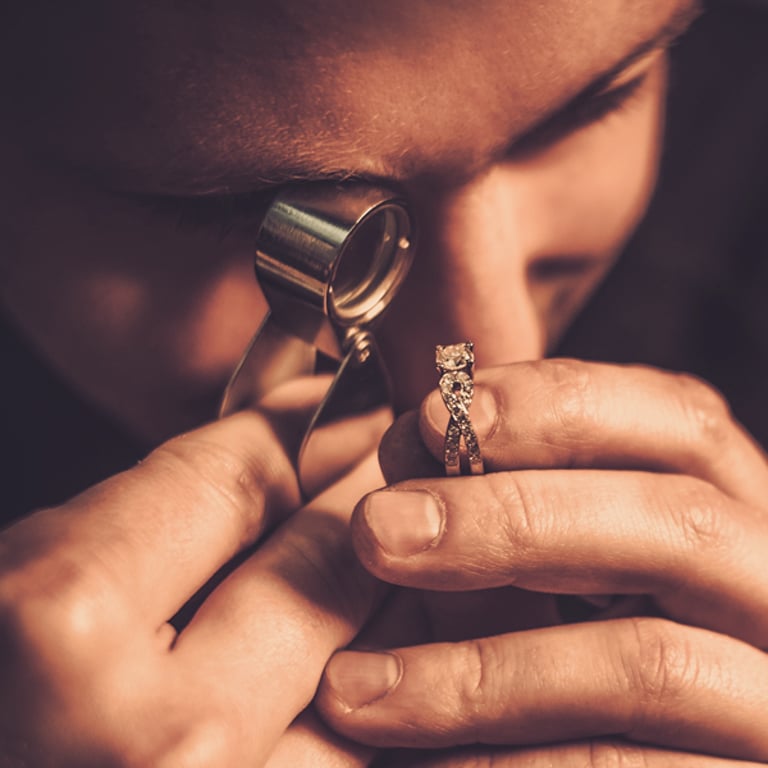
Though it might seem that natural and synthetic diamonds are virtually indistinguishable to the naked eye, specialists can distinguish them using advanced gemological equipment.
Synthetic Diamonds vs. Diamond Simulants
Synthetic diamonds are authentic diamonds manufactured using technological methods, whereas diamond simulants are materials that have similar appearance to diamonds but do not share the same chemical composition and crystal structure with them. Despite the aesthetic appeal in the jewelry made from such materials, these are completely different materials compared to natural and synthetic diamonds.
For instance, one of the differences includes their chemical composition and physical properties. Diamonds are composed of carbon crystals that feature hardness of 10 according to the Mohs scale of mineral hardness. The cubic zirconia has zirconium dioxide as its basis, while the moissanite is comprised of silicon carbide. It should also be noted that the optical properties of these two materials are different: for example, the moissanite creates a more distinct rainbow color flashes effect than traditional diamonds.
Finally, there is also a difference in the price of the materials mentioned above. Cubic zirconia are typically cheaper than synthetic diamonds, though prices can vary depending on the stone's parameters.
What Is the Difference Between Synthetic Diamonds and Moissanite?
Another point that may cause confusion among customers when choosing an engagement ring is that synthetic diamonds and moissanite are very similar gemstones because both types can be applied for creating fine jewelry. Actually, synthetic diamond and moissanite are different types of gems. While the former is made of crystallized carbon, the latter represents silicon carbide.
As far as their differences go, it should be mentioned that light interacts with them in different ways. It is true that both gemstones produce great brilliance. However, moissanite has much more fire and produces bright flashes of rainbow colors than a synthetic diamond does. The latter one, in its turn, has different combination of white light, colored flashes, and sparkles.
Another reason why the two materials are often compared is their price. In particular, moissanite is relatively cheaper than a synthetic diamond. Thus, many customers will choose it because of its great value for money and possibility of buying a bigger piece of jewelry at an affordable price.
Do Synthetic Diamonds Have Certificates?
Indeed, synthetic diamonds can have accompanying gemological reports that detail the features and laboratory-grown nature of the diamonds. This paper is generally known as diamond certificate, however, it can be more accurately described as grading report or quality assessment, depending on the laboratory producing the report. A buyer will benefit from this report rather than evaluate the diamond based only on its appearance.
The information provided varies according to the laboratory and the type of the report. The information might include the carat weight, color, clarity, cut (where applicable), the growing process used and any treatment performed after it. With such a report a buyer is capable of comparing stones of different specification.
While buying a synthetic diamond, one should pay attention to the report number and make sure that it corresponds to the stone itself. Also, some diamonds might be marked by laser inscription on the girdle, indicating that it was grown in laboratory and corresponds to a certain report. All in all, not every available synthetic diamond is accompanied by an independent report.
How Much Do Synthetic Diamonds Cost?
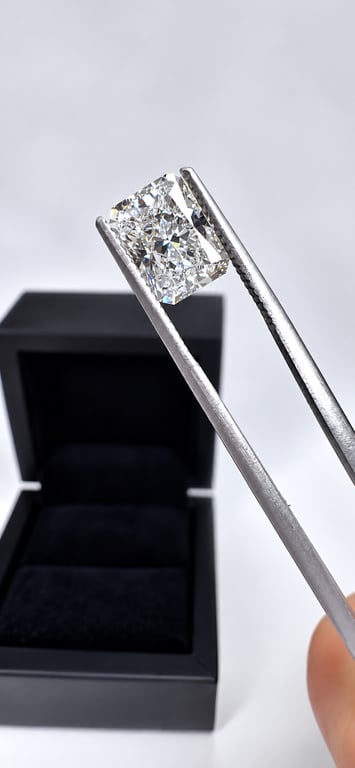
The prices for synthetic diamonds depend on the carat weight, cut, color, clarity, shape, certification, and seller. Yet the prices for synthetic diamonds are considerably lower compared to those of natural diamonds of the same qualities. Currently in the market, as stated by our online price index, the price of 1-carat Round synthetic diamond is about $494, while that of 1-carat Round diamond is approximately $4,722.
The prices for moissanite are general estimates, and the precise price will depend on the qualities of the particular gemstone. All the prices mentioned apply to the loose center stone and not to the engagement ring itself. Prices will also depend on metal, setting, accent stones, finish of the ring and other parameters.
The price difference comes mainly from the economic advantages of the production of synthetic diamonds and their availability. Technological advances have made the production of synthetic diamonds possible and have helped to produce enough quantities to meet the demand on them. From the customer's standpoint, it gives an opportunity to choose a bigger center stone or use more money for the setting and design of the ring.
| Diamond Type | Average price for a 1-Carat Round Diamond |
| Natural Diamond | $4,000–$5,000 |
| Synthetic diamond/Lab-Grown Diamond | $400–$1,300 |
| Moissanite | ~$300–$800 |
* Prices vary depending on carat weight, cut, color, clarity, and certification. Shop lab-grown diamonds in our collection to compare different stones and find the right diamond for your budget.