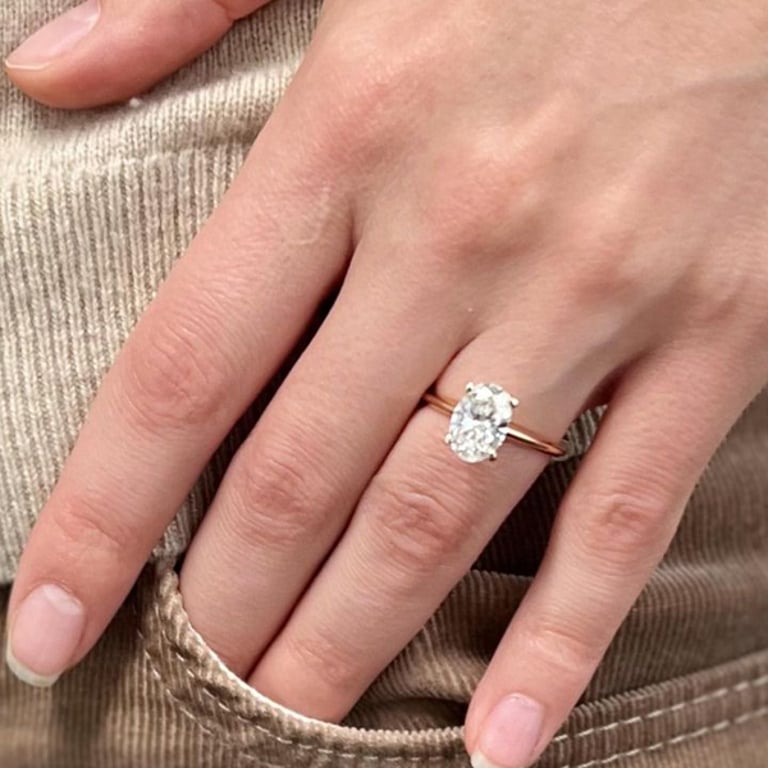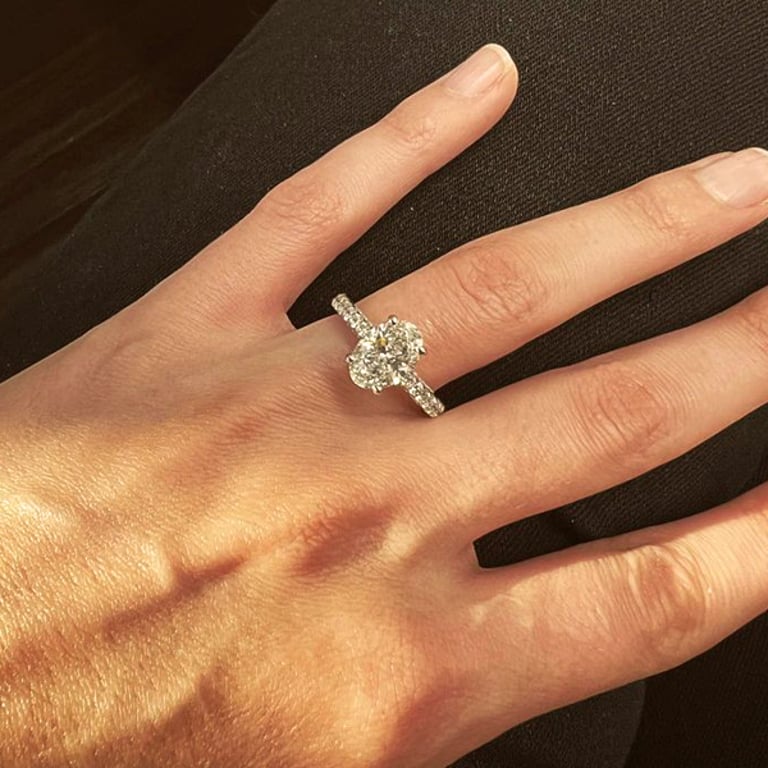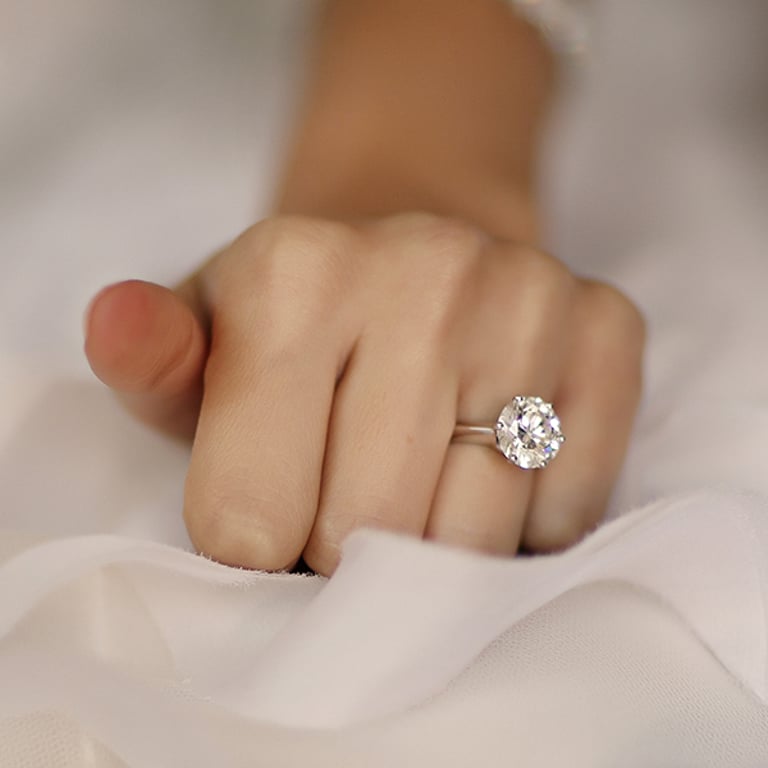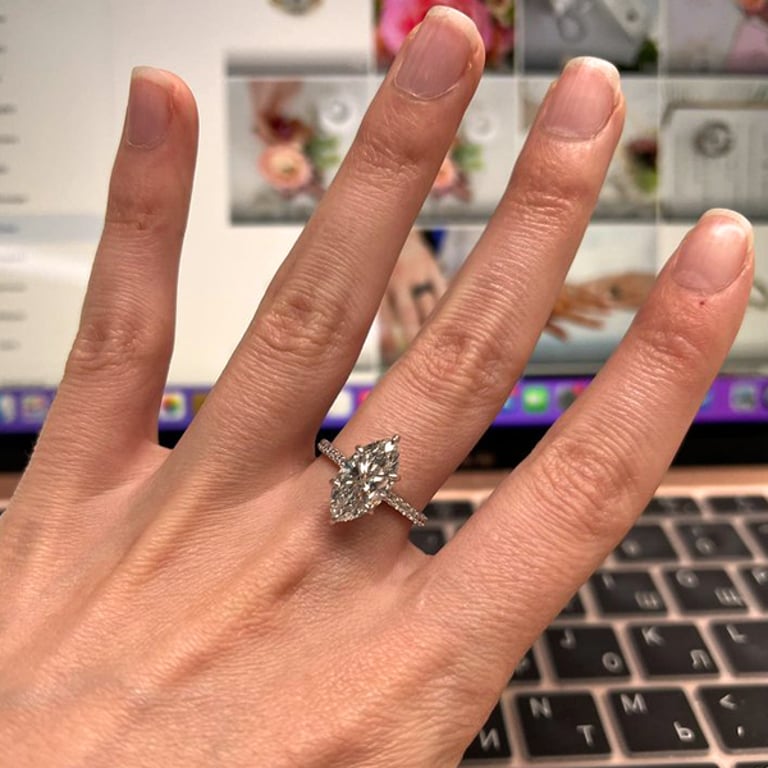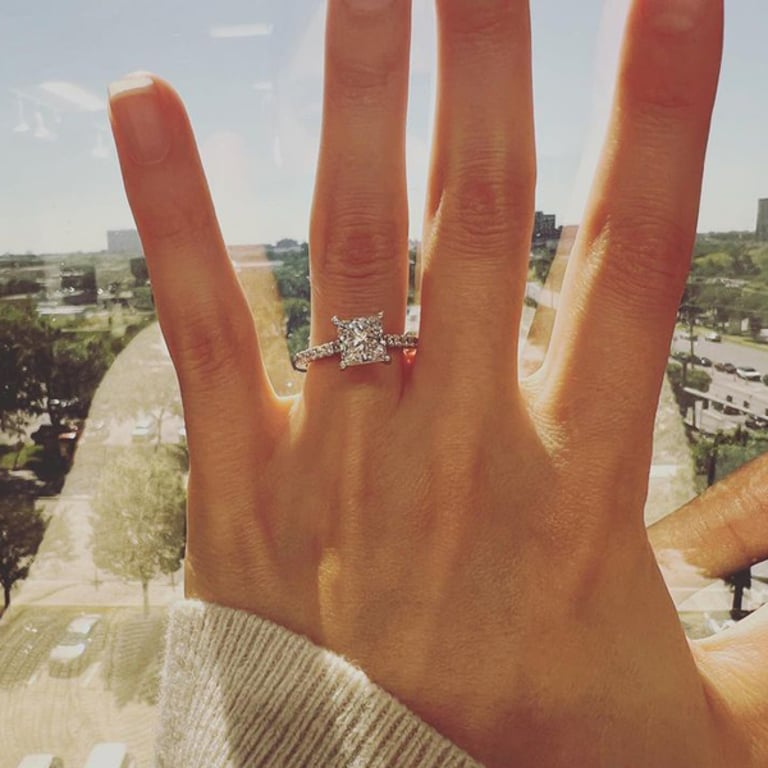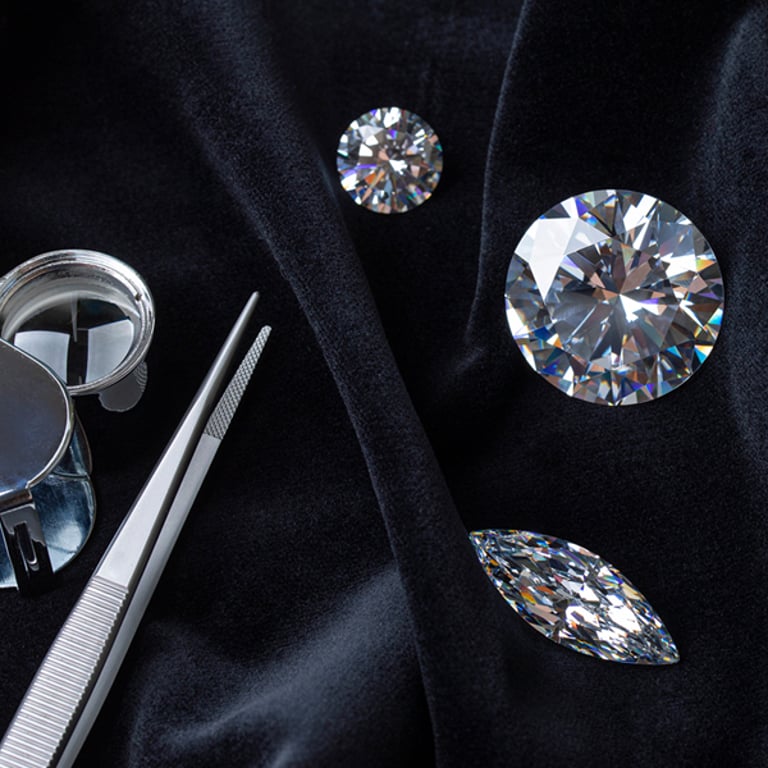

Among the innovations that revolutionized the diamond jewelry market are lab-grown diamonds. The affordable price, increased availability, and investments in diamond growing technologies helped create a whole new branch in the diamond jewelry business. With the evolution of production technologies, the lab-grown diamonds market is expected to remain relevant for the industry with manufacturers actively developing the capacity to produce them.
Thus, the jewelry market faces another period of substantial changes when buyers need to choose either accessibility and the size of the diamond that fits the budget or the rarity and unique nature of the mined diamond. Possibly, the natural rarity will only be related to high prices in the future whereas the lab-grown diamonds will try to win by accessibility and innovation.
In this article, we will discuss lab grown diamonds' prices, the price dynamics over the last ten years, and factors causing the fluctuations in prices along with the future prospects for the lab grown diamonds market.
What Factors Affect the Price of Lab-Grown Diamonds?
A few of the critical determinants of the pricing of a lab-grown diamond include the diamond's carat, cut, color, and clarity, also called the 4Cs. In addition, the conditions and technology employed during the creation of the diamond may also have some bearing on its ultimate price.
The method of production of the diamond impacts the price of production of the diamond. The cost of inputs, including raw materials, energy, machinery, labor, transportation, and shipment, is part of the cost of production.
Competition in the diamond market is another crucial determinant. Competition benefits the consumer by providing them with increased choice and enabling manufacturers to provide more competitive prices. With the entry of additional diamond growing factories into the market, the manufacturers may reduce their prices in order to boost sales. Demand for the diamond will also play an essential role. An increasing demand would lead to more manufacturers producing lab-grown diamonds.
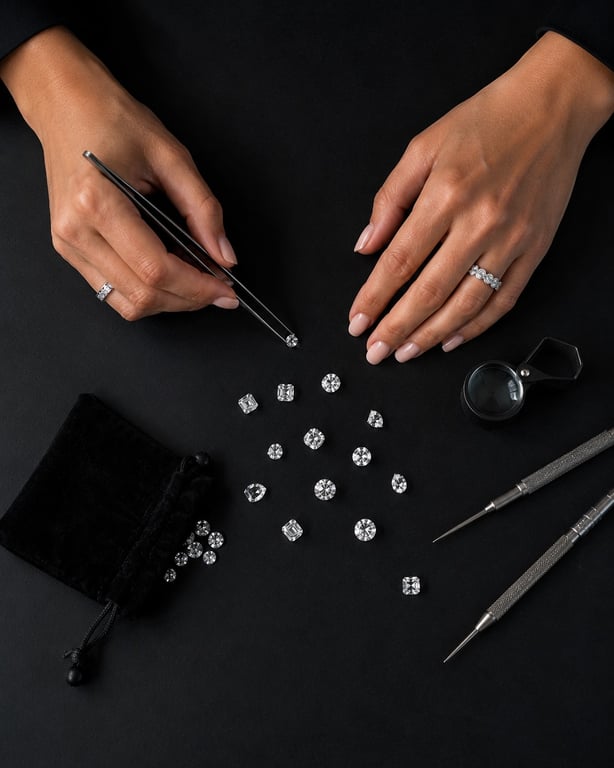
Lab Grown vs. Natural Diamond Price
It is important that you know the difference between these two types of diamonds: the diamonds mined from the earth are naturally unique stones that have taken several years to be formed and hence are limited in quantity.
The diamonds grown in labs, on the other hand, are demand-driven and are not limited in quantity currently. Their price will depend on the factors that we discussed in the article above, and their price has been set for several years now. If you are still undecided about your choice, here is a comparison table for you.
| Carat Weight | Average Diamond Price Range | Average Lab Diamond Price Range |
| 1 Carat | $3,000–$6,500 | $400–$1,500 |
| 2 Carat | $14,000–$30,000 | $900–$3,000 |
| 3 Carat | $30,000–$70,000 | $1,500–$5,000 |
| 4 Carat | $55,000–$100,000 | $2,000–$6,000 |
| 5 Carat | $80,000–$150,000+ | $2,500–$8,000+ |
* Prices vary depending on carat weight, cut, color, clarity, and certification. Shop lab-grown diamonds in our collection to compare different stones and find the right diamond for your budget.
Lab-Grown Diamond Price Trends: The Last 10 Years
Prices in the lab grown diamond market have undergone one of the most significant changes in the modern jewelry industry. Unlike many traditional luxury products, whose prices tend to rise over time, lab-grown diamond prices have generally fallen as technology has improved, production capacity has increased, and competition has become stronger. The most reliable publicly available U.S. retail data goes back to 2019, while global wholesale data is available from 2018, providing a useful view of how the market has developed over nearly a decade.
U.S. Retail Price Trend
On the basis of the data available with BriteCo concerning the US, which are derived from actual sales and valuation figures, the median price per carat of man-made diamonds decreased from $4,622 in 2019 to $2,057 in 2025, a reduction of more than 55%. The median price per carat in the first six months of 2026 was around $2,015 per carat. However, the most significant drop in prices has been seen since 2022.
The continuous downward price trend shows that the price for lab-grown diamonds keeps decreasing owing to the high level of competition in the market due to the growing popularity of such stones and competition between manufacturers.
The most fascinating thing about the recent figures is the slowing down of the rate of decrease. This may mean that the market of lab-grown diamonds is approaching a lower price level.
| Year | Average Retail Price per Carat | Change vs. Previous Year |
| 2019 | $4,622 | - |
| 2020 | $4,321 | -6.5% |
| 2021 | $4,194 | -2.9% |
| 2022 | $3,895 | -7.1% |
| 2023 | $3,130 | -19.6% |
| 2024 | $2,630 | -16.0% |
| 2025 | $2,057 | -21.8% |
| 2026 | $2,015 | -2.0% |
Global Wholesale Lab Grown Diamond Price Trends
In the global wholesale market, the changes in prices have been even more significant. For example, according to market research from Edahn Golan, prices on lab-grown diamonds in the wholesale market fell by 96% since the start of monitoring in July 2018 up until the second quarter of 2026. Moreover, an industry analysis conducted by BCG revealed that the global volume of lab-grown diamonds grew more than ten times from 2018 to 2024, whereas the price of wholesale dropped by more than 90%.
There are several reasons for the decline in prices. First, it is the fast increase in production capacity due to the advancement of laboratory technologies and lower costs for the production equipment. Thus, the global supply has grown more than ten times from 2018 to 2024, whereas wholesale prices have fallen by 93% from 2020 to 2026.
Second, the level of competition has grown, providing consumers with more choices. It is quite an unusual situation for the jewelry business, as lab-grown diamonds became less expensive, but the buyers could purchase bigger stones at the same time.
What's next for lab-grown diamond prices?
Even in the face of falling prices, the segment of lab-grown diamonds has shown growth and increased popularity. The statistics show that in 2019, the proportion of engagement rings with lab-grown diamonds was 5.9%, whereas in 2025, the number grew up to 47%, and by the beginning of 2026, it has reached 51%.
There is a very peculiar market situation: prices for lab-grown diamonds continue to fall, but at the same time, demand and the size of the stones increase.
However, the fast growth in the output of lab-grown diamonds will gradually move the market towards a more stable phase. It will be beneficial for all participants of the market: producers will receive a steadily growing market, jewellers will have better access to supply and price flexibility, and consumers will have more options and cheaper diamonds.